
Pilates as a Tool for Lymphatic Drainage
A Doctor of Physical Therapy’s Opinion
Written by Grace Heinrichs, PT, DPT, MCSP
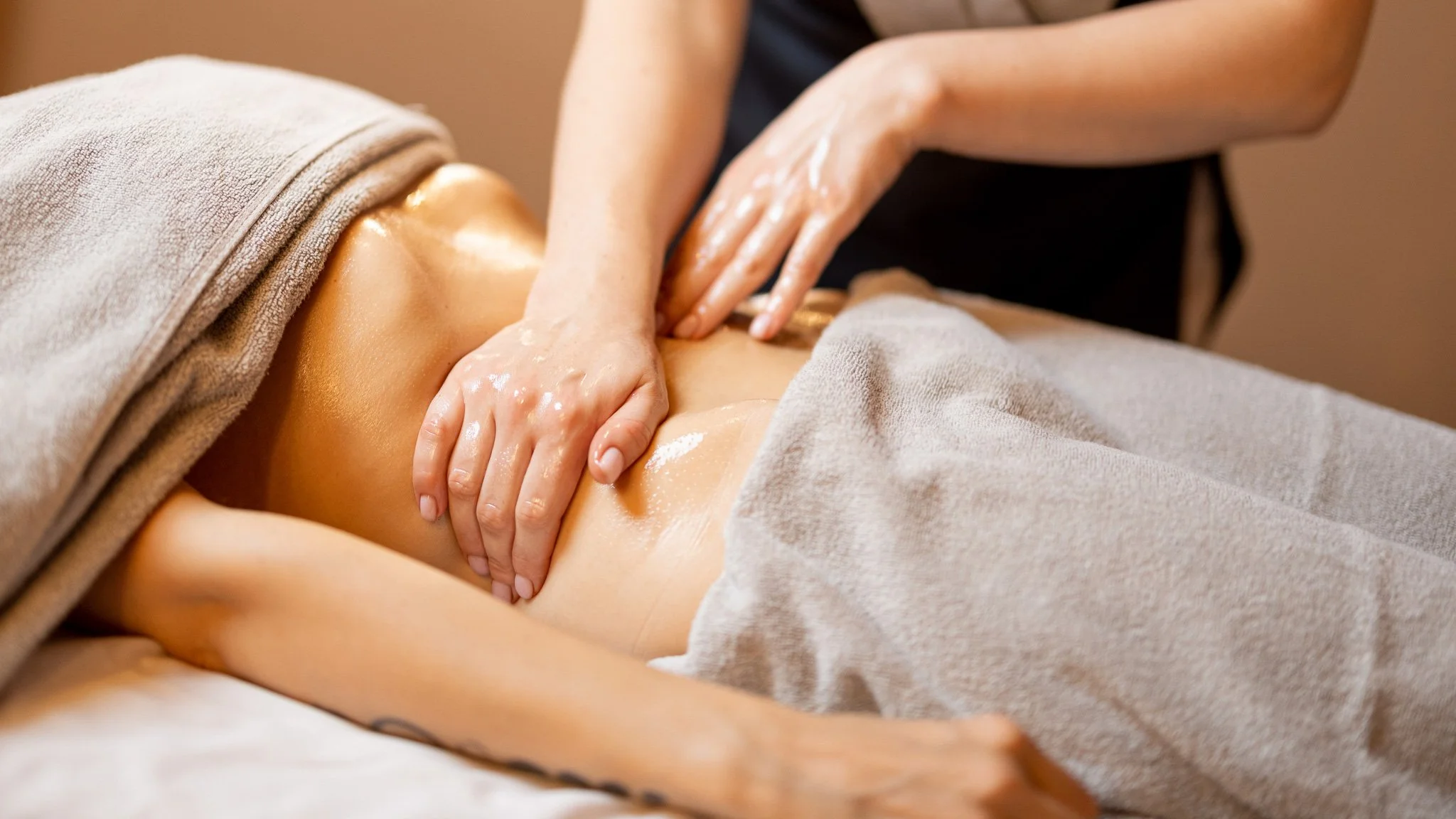
What Is the Lymphatic System? (And Why Should You Care?)
Most people know about the heart and blood vessels. But what about the lymphatic system?
It plays a major role in staying healthy, recovering from training, and managing swelling and inflammation.
Think of it as your body’s waste-removal, immune support, and fluid-balance network all in one.
The Lymphatic System has 3 Major Jobs:
Clears Waste and Excess Fluid
Every time you move, train, eat, breathe, or simply exist, your cells produce waste. Some of that waste goes into your bloodstream, but a large portion enters the lymphatic system.
Lymphatic vessels collect:
Extra fluid (lymph)
Waste products
Proteins
Cellular debris
They then return all of this to your heart, where your body can filter and clear it out.2. Supports Your Immune System
Your lymph nodes are basically mini “filter stations”.
They scan everything flowing through for bacteria, viruses, and abnormal cells.
If something looks suspicious, they trigger an immune response.
This is why your doctor feels the sides of your neck when you’re sick – they are simply feeling for swelling of your lymph nodes.
3. HELPS MAINTAIN HEALTHY CIRCULATION
About 10% of your body’s circulation is handled by the lymphatic system. It works alongside your bloodstream to prevent fluid from pooling in your tissues.
Blood vs. Lymph: The Key Difference
Blood has a pump (your heart)
Lymph does not have a pump of its own
So how does lymph move?
Muscle contractions
Fascial tension changes
Joint movement
Deep, diaphragmatic breathing
Hydration + mobile tissues
Because lymph vessels run within and alongside fascial layers, every time muscles and fascia move, they compress and release these vessels – like a gentle “milking” action that pushes lymph forward.
If fascia becomes stiff, dehydrated, or less mobile (hello sedentary lifestyles, injury, chronic tightness), then:
Tissue glide decreases
Pressure changes reduce
Lymphatic channels narrow
This can contribute to heaviness, puffiness, or sluggish recovery
Movement + breath restores fascial mobility à which in turn boosts lymph flow
In short: your lymphatic system works best when you work
Sit still for long periods of time -> lymph slows
Start moving -> lymph speeds up
Why This Relates to Reformer Pilates
Pilates is basically the perfect storm (in a good way) for your lymphatic health.
It naturally supports the mechanisms your body already uses to circulate fluid, reduce stiffness, and recover well.
Diaphragmatic Breathing in Pilates (And Your Lymphatic System Will Thank You)
Pilates places a big emphasis on breathwork and should specifically focus on diaphragmatic breathing for lymphatic benefits.
This deep intentional breath activates the diaphragm (a massive muscle under your lungs) and bonus, also supports lymphatic flow.
One key player here is the cisterna chyli, a small, sac-like structure near the diaphragm. It acts as a major collection point for lymph from the lower body and digestive organs.
From there, the fluid travels into the thoracic duct and back into the bloodstream.
Because of this, the cisterna chyli is often described as a central lymphatic hub – crucial for fluid balance, detoxification, and immune support.
When you breathe through your diaphragm lymphatic drainage becomes more efficient.
This can help:
Reduce bloating
Support digestion
Boost immune function
Improve overall well-being
By integrating diaphragmatic breathing into your Pilates practice, you’re not just moving better – you’re literally helping your body clean itself from the inside out.
You don’t need fancy detox routines – your body already has a built-in system. Pilates just helps it work the way it’s designed to.
While you are reading this try it:
Keep your posture easy: sit tall but not stiff, ribs stacked over your pelvis, jaw and shoulders relaxed
Place one hand lightly on your chest and the other on your belly
As you breathe in through your nose, imagine you are filling in the lower part of your torso up with air like a balloon
Your chest and shoulders should stay relatively relaxed
Breathe out slowly through your mouth allow your belly to gently fall toward your spine, deflating the balloon
Continue this for 5-10 slow breaths
Ready to experience the benefits for yourself?
Reformer Pilates is one of the most effective ways to support lymphatic flow, reduce swelling, and help your body feel lighter and stronger.
Book a session at X-Club today and let our instructors guide you through breath-led, full-body movement designed to support recovery and wellness from the inside out.
👉 Book Your First Class - Notting Hill & Mayfair